 DailyTechPrices
Xiaomi Pad 9 vs Galaxy Tab S12+: Which Tablet Should You Buy?
Oct 1, 2026 • Sam for DailyTechPrices • Tablets
Do you really need to spend over ₦1.6 million on a tablet when Xiaomi is offering 144Hz screens and Snapdragon power for less than half of that? That’s the question the new Xiaomi Pad 9 series throws at Samsung’s Galaxy Tab S12+.
I’ve been a fan of Xiaomi’s Pad lineup for a while now, mostly because it gives you flagship-level specs without the flagship price. Samsung, on the other hand, keeps pushing its Tab S series further into premium territory. Xiaomi launched the Pad 9 and Pad 9 Pro in China on September 23, 2026, while Samsung announced the Galaxy Tab S12+ on September 30 at $1,199.99. In today’s post, we’ll be looking at the Xiaomi Pad 9 and Pad 9 Pro against the Galaxy Tab S12+ to see which one gives you the better deal. Here’s what we’ll cover: design, display, performance, battery life, cameras, software and stylus, and price in Nigeria.
Design
First off, all three are thin. The Xiaomi Pad 9 is 5.75mm thick and weighs 485g, while the Pad 9 Pro is 5.8mm and 580g. The Galaxy Tab S12+ is thinner at 5.3mm and weighs 553g, which is lighter than the Pad 9 Pro even though its screen is slightly bigger.
The Tab S12+ also has an IP68 rating, so it’s protected against dust and water. That’s a nice bonus if you’re the type to use your tablet in the kitchen or carry it around during rainy season.
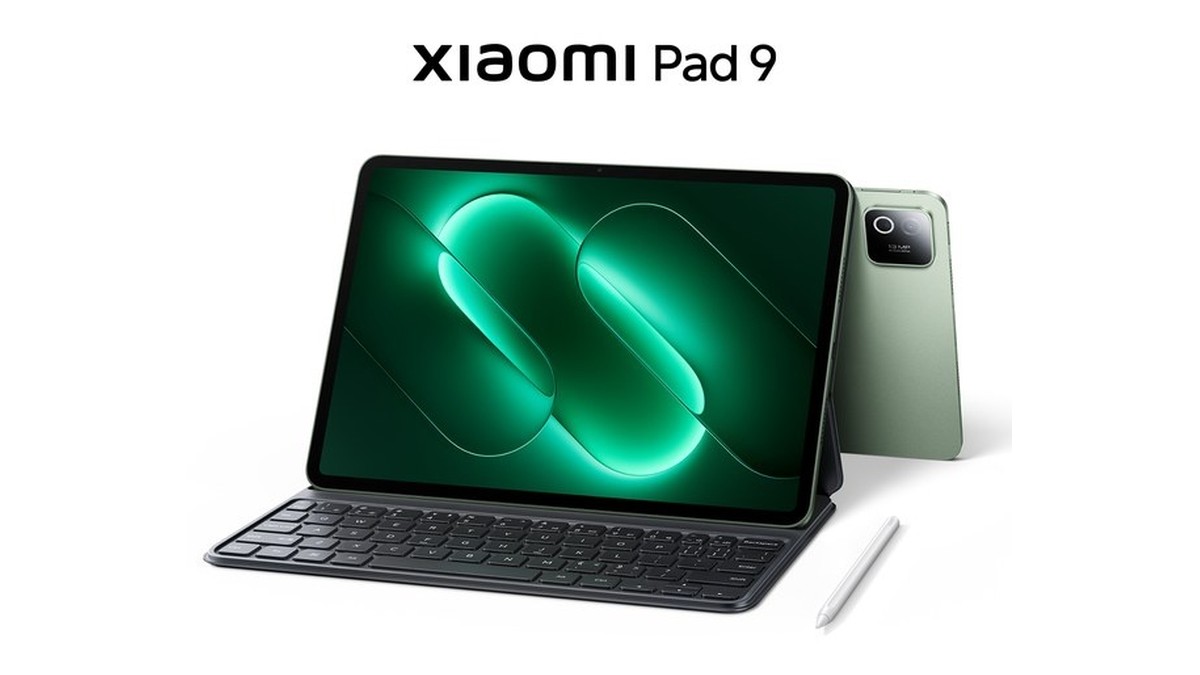
Colors: the Pad 9 comes in Peach Pink, Spruce Green, Black and Silver, the Pad 9 Pro in Spruce Green, Black and Silver, and the Tab S12+ in Gray and Silver.
Display
This is where it gets interesting. The Xiaomi Pad 9 has an 11.2-inch 3.2K LCD screen, and the Pad 9 Pro steps up to 12.5 inches, also 3.2K. Both run at up to 144Hz (how many times per second the screen refreshes, so higher means smoother scrolling and gaming), and the Pro reaches up to 1,000 nits of peak brightness.
The Galaxy Tab S12+ gets a 12.6-inch Dynamic AMOLED 2X panel with a 2800 x 1752 resolution, 120Hz and up to 1,600 nits peak brightness.
Now, on paper Xiaomi wins on refresh rate. On the other hand, Samsung’s AMOLED gives you deeper blacks and brighter highlights than an LCD panel, which makes a real difference for Netflix and YouTube at night. To be honest, if you mostly watch movies, the Samsung screen is the one I’d pick. If you play fast games, Xiaomi’s 144Hz is tempting.
Performance
The Xiaomi Pad 9 runs on the Snapdragon 8s Gen 4, while the Pad 9 Pro gets the Snapdragon 8 Gen 5, a 3nm chip (3 nanometers, a newer and more efficient way of building chips). The Galaxy Tab S12+ uses MediaTek’s Dimensity 9500, also a 3nm flagship chip.
In a nutshell, all three are fast. The Pad 9 Pro and Tab S12+ are both in flagship territory, and the regular Pad 9 is only a step below. For WhatsApp, Zoom classes, Canva, CapCut and games like Call of Duty Mobile, none of them should struggle.
Memory-wise, the Pad 9 comes with 8GB or 12GB of RAM and 128GB or 256GB of storage, and the Pad 9 Pro goes up to 16GB with 256GB. The Tab S12+ comes with 12GB of RAM and 256GB or 512GB, and it supports a microSD card of up to 2TB, which is great if you download a lot of movies.
Battery Life
The Pad 9 packs a 9,720mAh battery with 45W charging, and the Pad 9 Pro gets a bigger 11,000mAh battery with faster 67W charging. It can even charge your phone through 22.5W reverse charging, which is handy during a power cut.
The Galaxy Tab S12+ has a 10,600mAh battery with 45W charging, and Samsung claims up to 21 hours of video playback.
Regardless of which one you pick, these are big batteries that should see you through a full day, even with NEPA doing its thing. That aside, the Pad 9 Pro has the edge on charging speed.
Cameras
Tablet cameras aren’t a big deal, but here’s the gist. The Pad 9 has a 13MP rear camera and an 8MP front camera. The Pad 9 Pro gets a 50MP rear and a 32MP front camera. The Galaxy Tab S12+ has a 13MP rear camera and a 12MP ultra-wide front camera.
For video calls, the Pro’s 32MP selfie camera looks impressive on paper, while Samsung’s ultra-wide front camera is great for fitting more people into the frame.
Software, Stylus and Updates
The Xiaomi Pad 9 series runs HyperOS 4, with the China version shipping desktop-class apps like WPS and CapCut Pro. Xiaomi’s stylus and keyboard are sold separately.
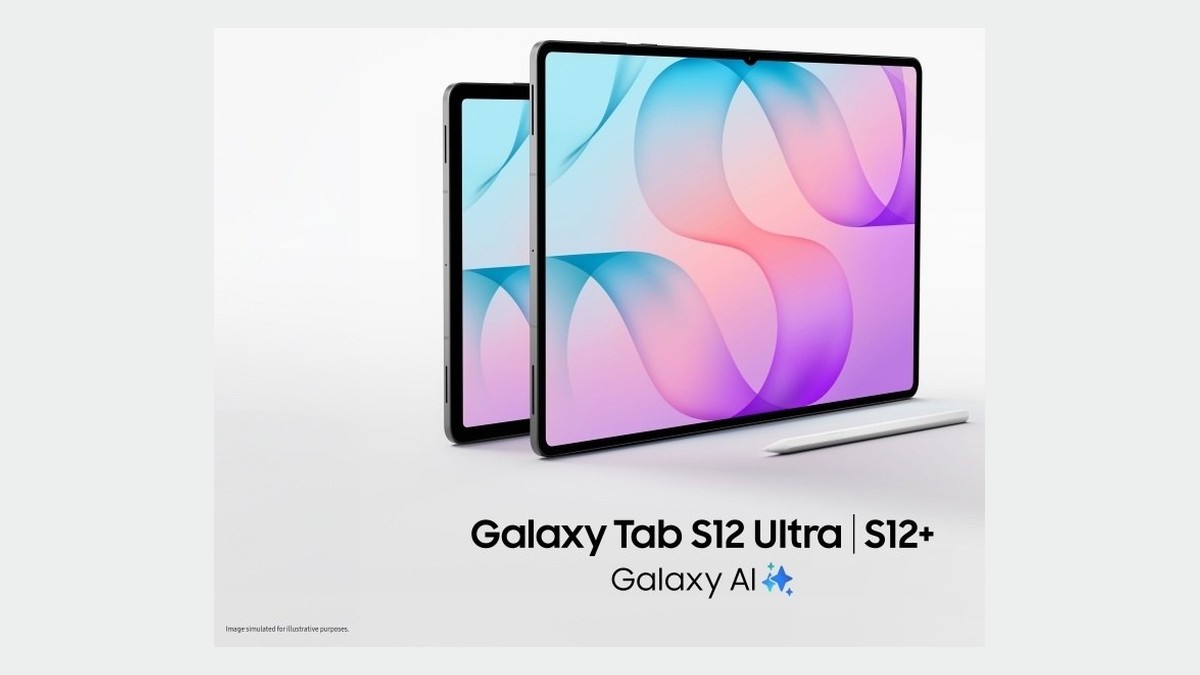
The Galaxy Tab S12+ runs Android 17 with One UI 9, and the S Pen is included in the box. You also get Adobe Photoshop pre-loaded with four months of premium access, plus Galaxy AI features like Note Assist. The big one for me is updates: Samsung promises seven OS upgrades and security updates, so this tablet should stay current for years. Xiaomi hasn’t shared an update promise for the Pad 9 series in the launch reports I’ve seen, so that’s something to check once the global version is announced.
Pros and cons
Xiaomi Pad 9 and Pad 9 Pro
Pros
- Much cheaper than the Tab S12+
- Smooth 144Hz 3.2K screens
- Pad 9 Pro has a big 11,000mAh battery with 67W charging and reverse charging
- Flagship Snapdragon 8 Gen 5 on the Pro
Cons
- LCD instead of AMOLED
- Stylus and keyboard cost extra
- Only launched in China so far, with no global date yet
Samsung Galaxy Tab S12+
Pros
- Bright 12.6-inch AMOLED display
- S Pen included, plus Photoshop pre-loaded
- Seven OS upgrades and IP68 protection
- Thinner and lighter than the Pad 9 Pro, with microSD support
Cons
- Very expensive at $1,199.99
- 120Hz, not 144Hz
- 45W charging is slower than the Pad 9 Pro’s 67W
Price in Nigeria
The Xiaomi Pad 9 starts at 2,999 yuan in China, which outlets put at about $447, or around ₦619,000. The Pad 9 Pro starts at 3,799 yuan (about $565, or around ₦783,000) and goes up to 4,999 yuan (about $745, or around ₦1,032,000). Xiaomi hasn’t announced a global launch or Nigerian price yet, so these are straight conversions before import costs.
For context, Jumia currently lists the Xiaomi Pad 8 at ₦750,000 and the Pad 8 Pro at ₦1,250,000, so expect the Pad 9 series to land at similar or slightly higher prices when it arrives here.
The Galaxy Tab S12+ starts at $1,199.99 in the US, which is around ₦1,662,000, and it goes on sale from October 7 in select markets. Samsung Nigeria hasn’t shared local pricing yet, but expect it to be higher once it reaches stores like SES Nigeria.
Finally, which one should you get? Here’s my verdict.
If you want the best value, the Xiaomi Pad 9 Pro is the one to watch. You get a bigger battery, faster charging and a 144Hz screen for roughly half the price of the Tab S12+. The catch is that it’s China-only for now, so I’d wait for the global version to reach Nigeria, or grab the Pad 8 Pro on Jumia if you need a tablet today.
On the other hand, if you want a premium tablet that will last, with an AMOLED screen, the S Pen in the box and seven years of updates, the Galaxy Tab S12+ is the safer long-term buy. It’s expensive, but for students, designers and professionals who plan to keep their tablet for years, it’s worth considering.